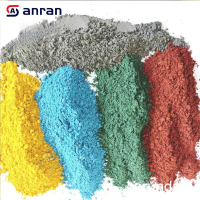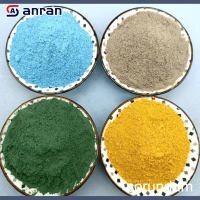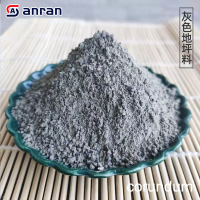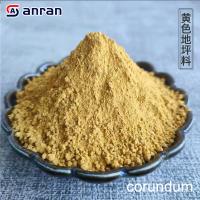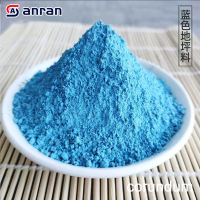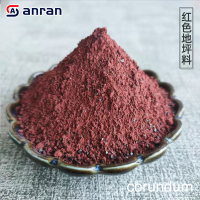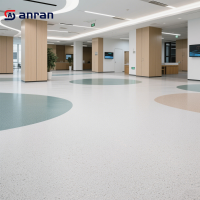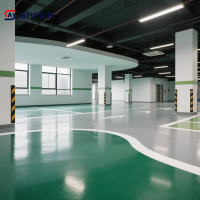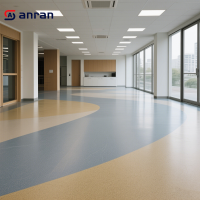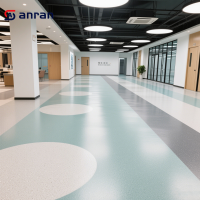
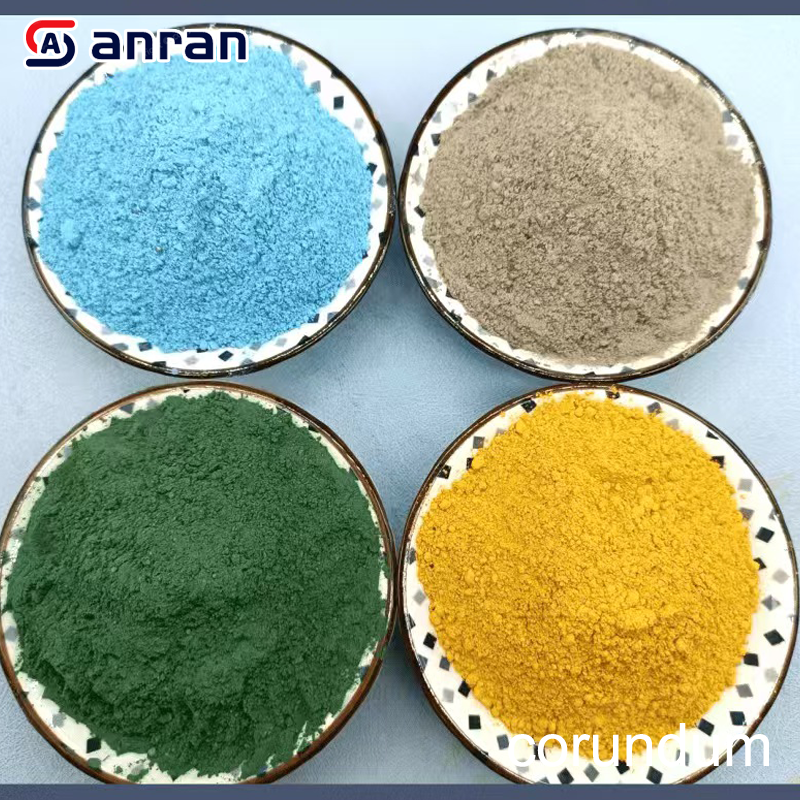
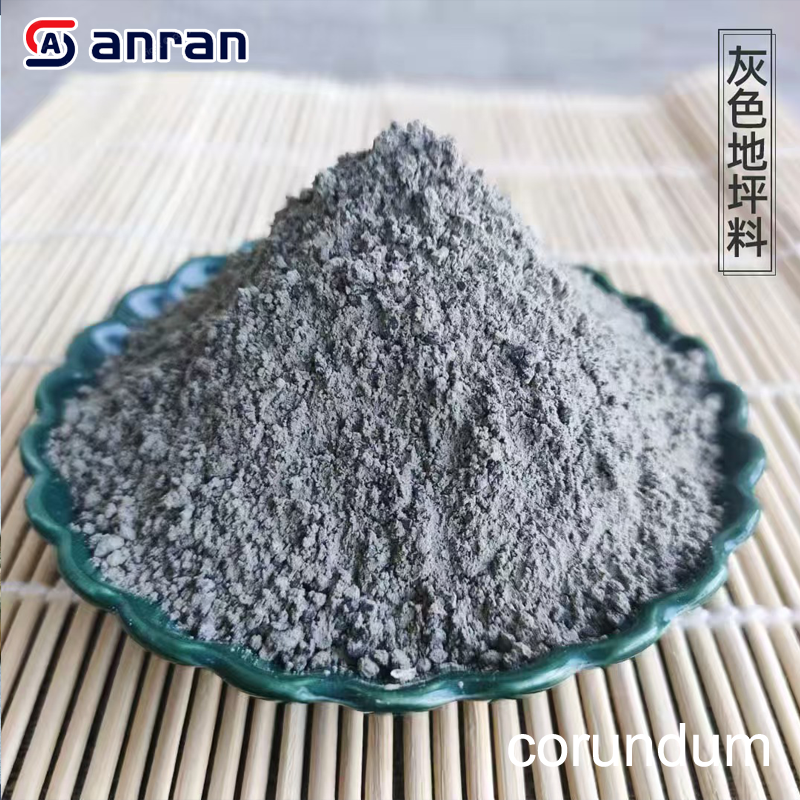
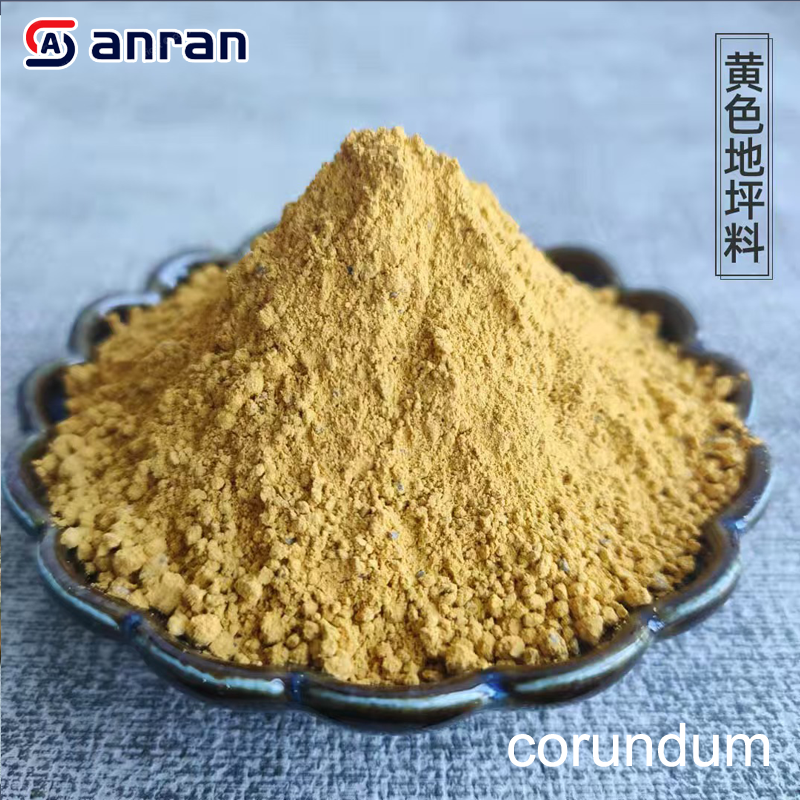
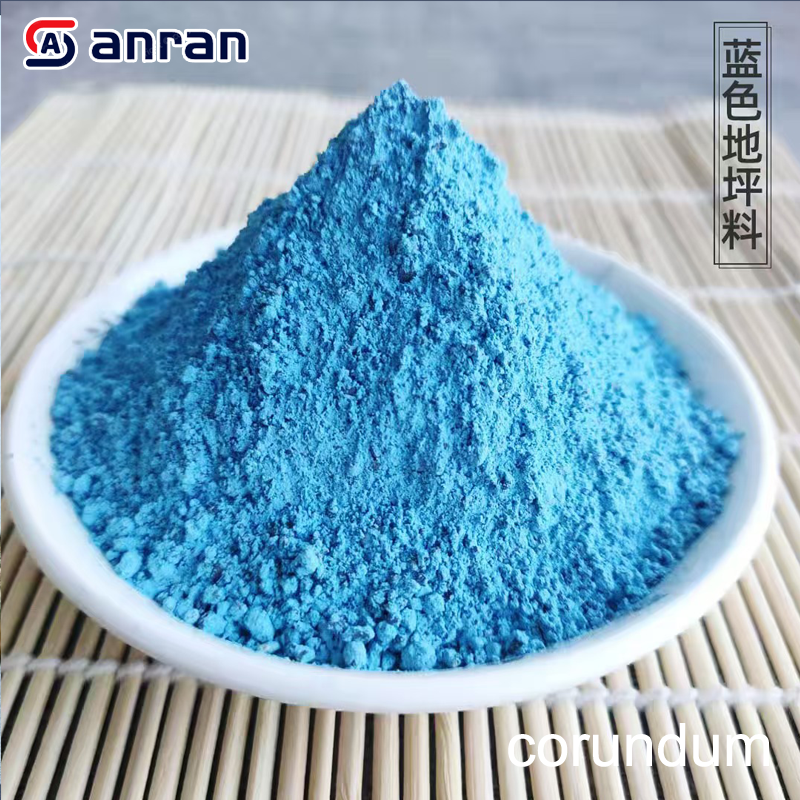
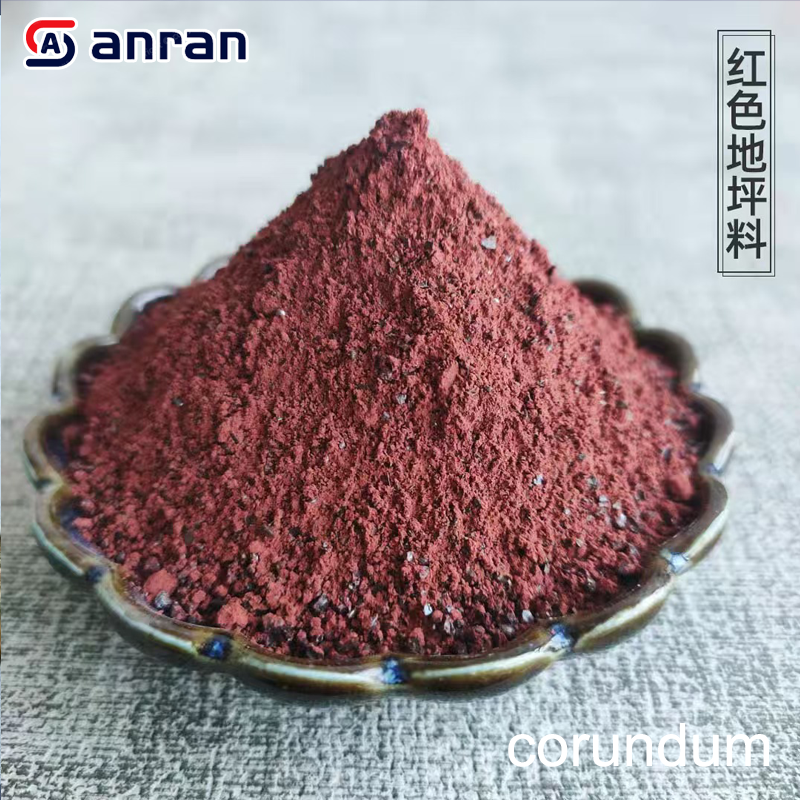
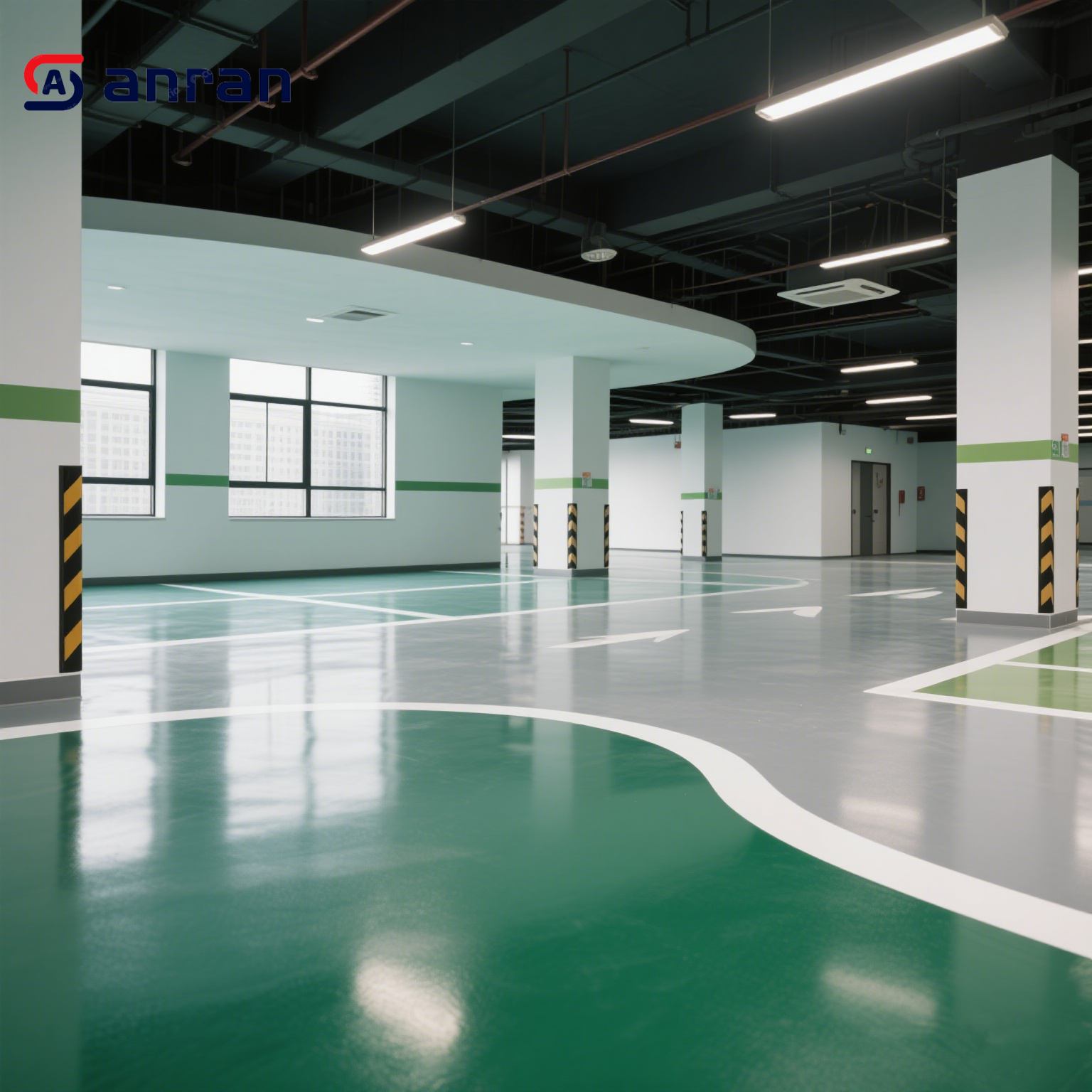
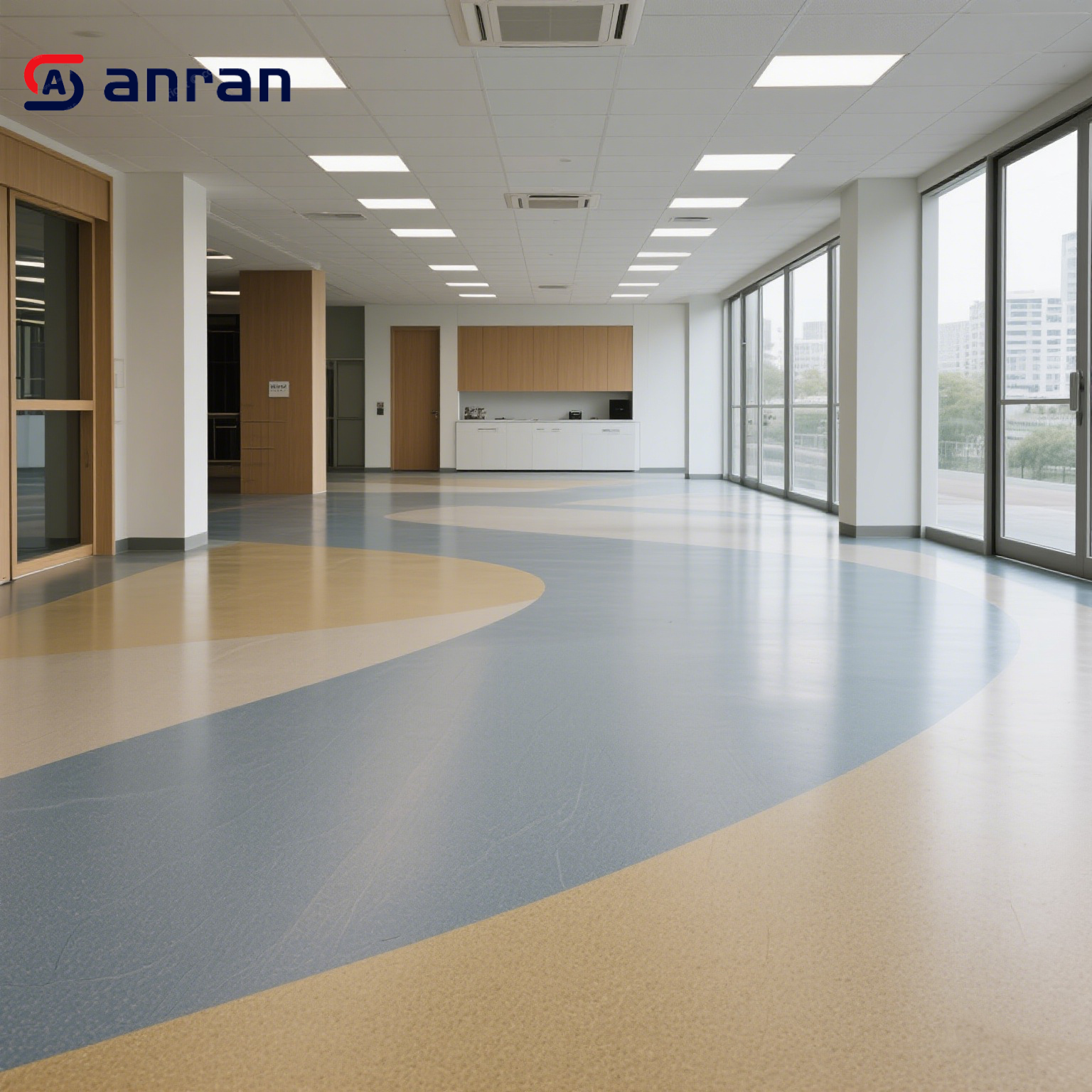
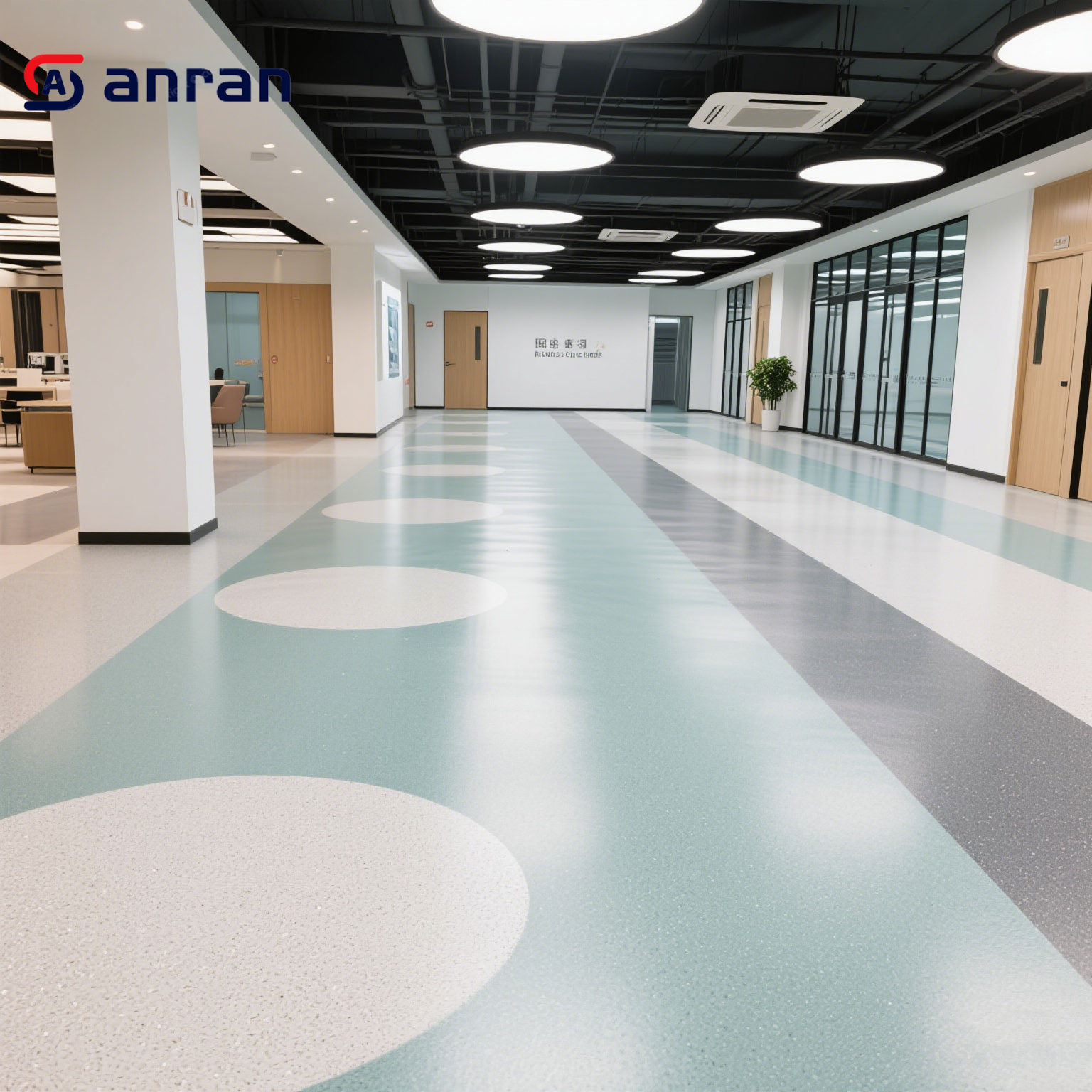
The materials of corundum wear-resistant floor are composed of mineral alloy aggregates, special cement, etc. Corundum is used as the wear-resistant aggregate, which features high hardness and strong wear resistance.
1.In the industrial field, such as mechanical and electronic factory workshops, it can withstand the friction and impact caused by the turnover of equipment and materials.
2. Logistics and warehousing: Applicable to logistics centers, warehouses, etc. where forklifts frequently travel and goods are piled up.
3. Commercial places: such as shopping mall parking lots, supermarket warehouses, places with high foot and vehicle traffic are convenient and aesthetically pleasing to use.


I. Overview
Corundum wear-resistant floor materials are composed of mineral alloy aggregates, special cement, etc. Among them, corundum (silicon carbide) is used as the wear-resistant aggregate, which has high hardness and strong wear resistance. It is often used in industrial plants, warehouses, parking lots and other places with high requirements for floor wear resistance.
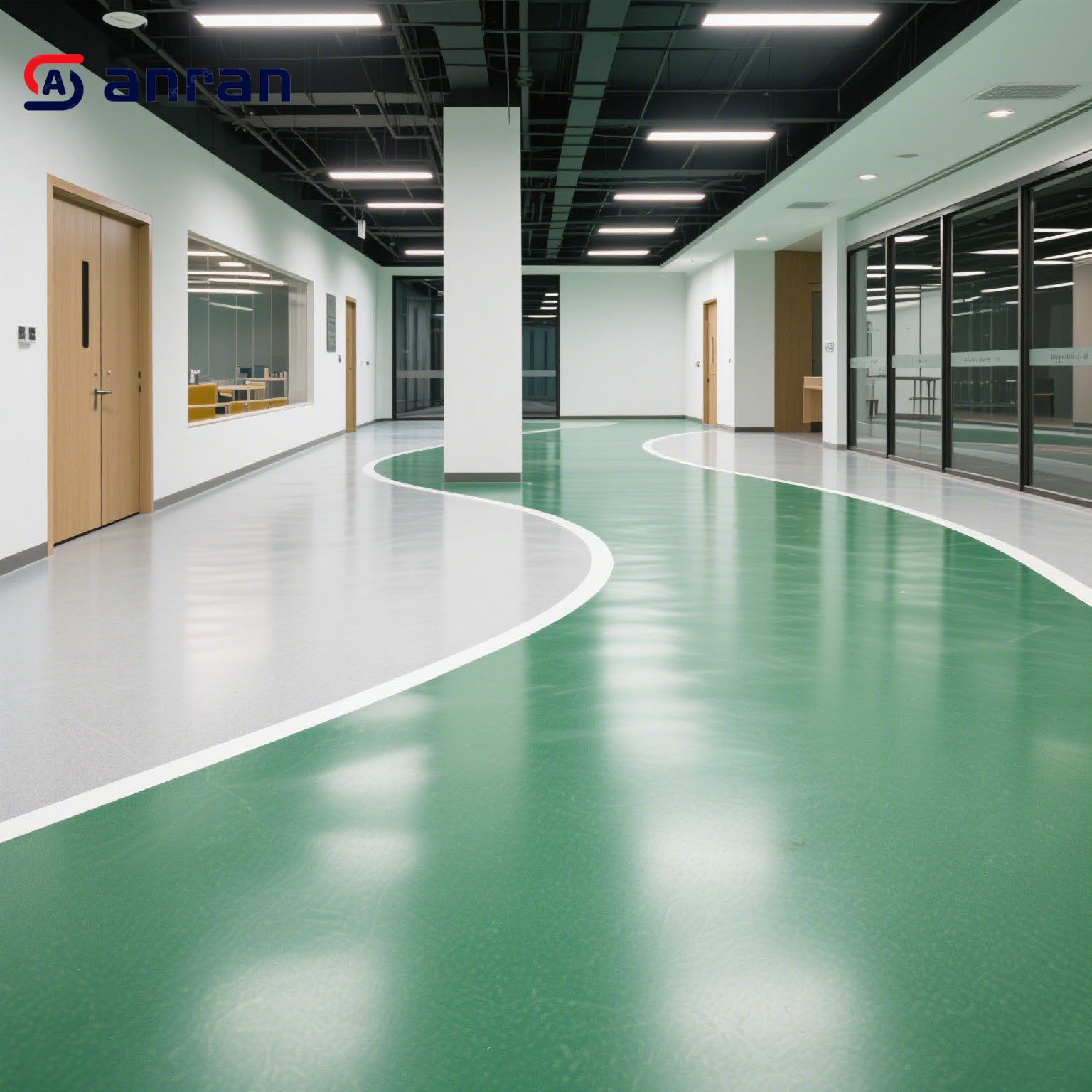
Ii. Characteristics
Strong wear resistance: Corundum has high hardness, making the floor less prone to grinding and wear, and has a long service life, which can reach several decades.
Good compressive resistance: It can withstand the heavy pressure of heavy objects without easily deforming or cracking, ensuring the stability and flatness of the ground.
Excellent corrosion resistance: It can resist common acid and alkali solutions and other chemical substances, and is suitable for places with corrosive environments.
Easy to clean and maintain: The surface is smooth and flat. It can be kept clean by sweeping or rinsing, and the cost is low.
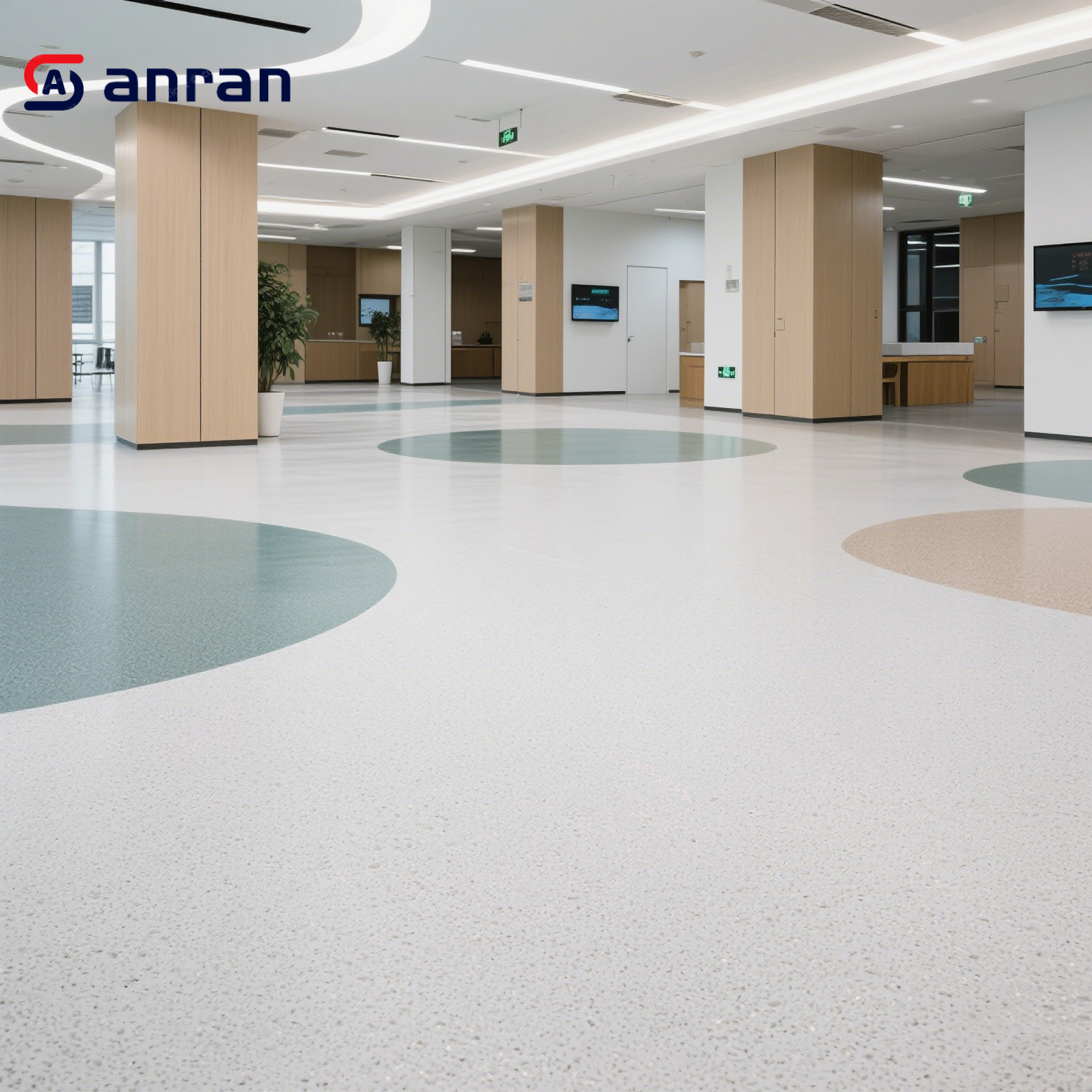
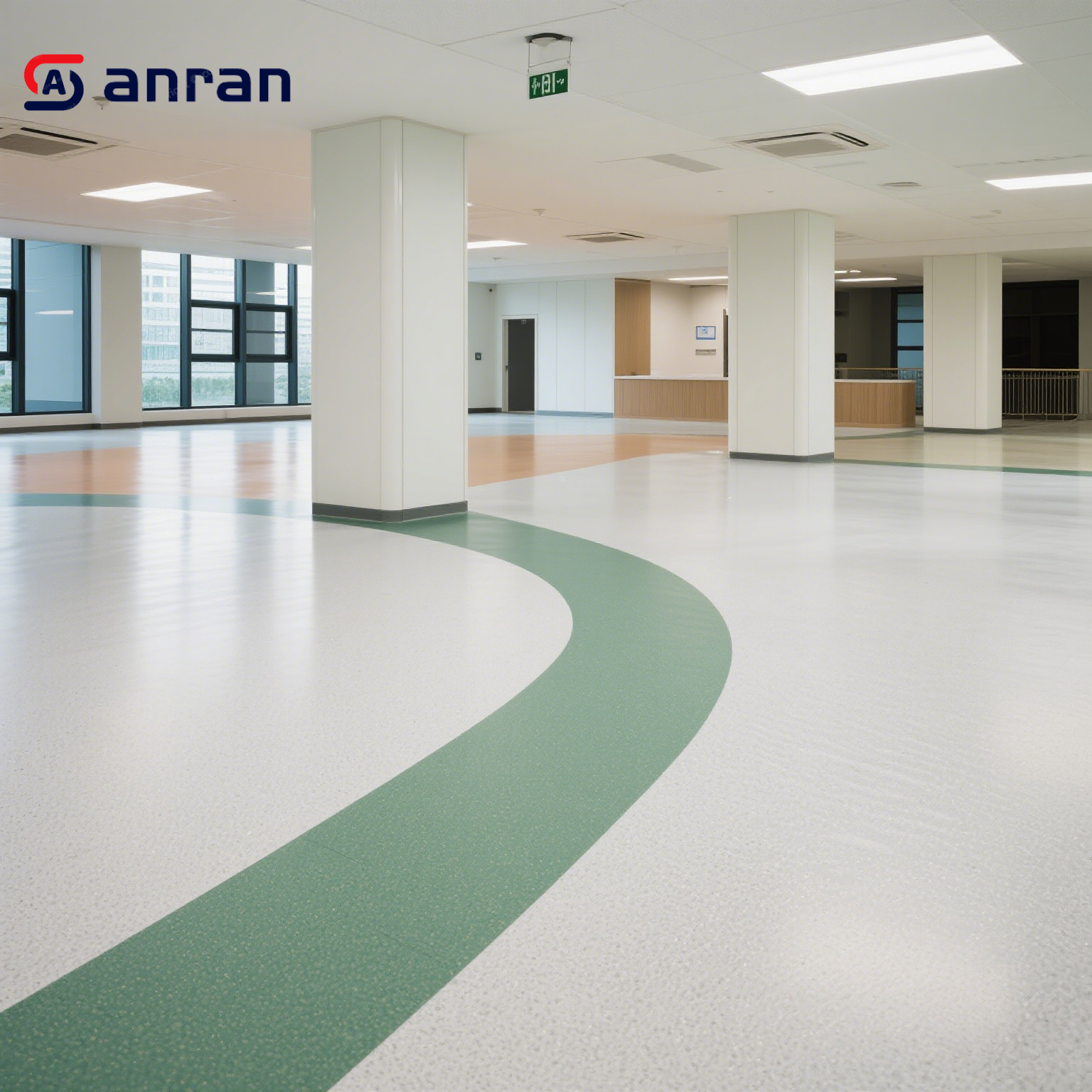
Good aesthetic appeal: It can be mixed with various colors and has both practical and decorative functions.
Iii. Construction Techniques
Base treatment: Remove debris and other substances from the base to ensure it is flat and firm. Grind and repair when necessary.
Concrete pouring: Pour the concrete as required, vibrate it tightly and control the flatness.
When the concrete begins to solidify, spread the material evenly in two batches, and then grind and compact it with a trowel.
Fine processing: Through multiple polishing and fine processing procedures, the desired effect is achieved.
Curing: After construction, it should be properly cured for 7 to 14 days to ensure strength growth.
Iv. Applicable Places
In the industrial field, such as mechanical and electronic factory workshops, it can withstand the friction and impact generated during the turnover of equipment and materials.
Logistics and warehousing: Suitable for places such as logistics centers and warehouses where forklifts frequently travel and goods are piled up.
Commercial places: such as shopping mall parking lots, supermarket warehouses, etc., where there is a large flow of people and vehicles, are convenient to use and aesthetically pleasing.
V. Advantages
Compared with traditional floor materials, the diamond sand wear-resistant floor material has a higher cost performance. Although the initial investment is slightly higher, in the long run, the overall cost is still reasonable. Moreover, the curing period after construction is short and it can be put into use quickly.
In conclusion, the diamond sand wear-resistant floor material has excellent performance and wide applicability, making it an ideal choice for creating high-quality floors. Welcome to inquire about cooperation.
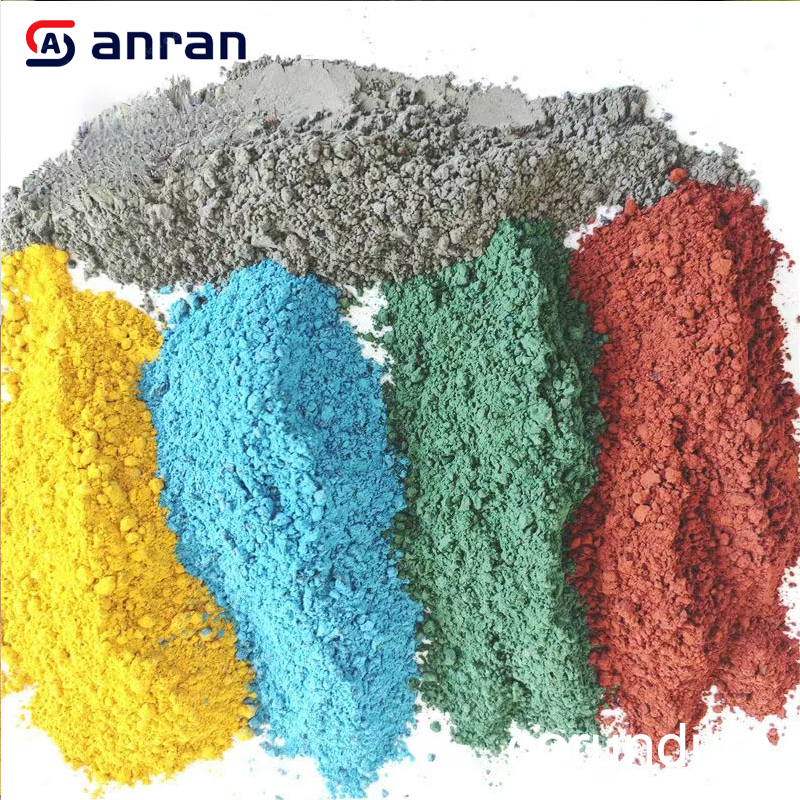
The materials of corundum wear-resistant floor are composed of mineral alloy aggregates, special cement, etc. Corundum is used as the wear-resistant aggregate, which features high hardness and strong wear resistance.
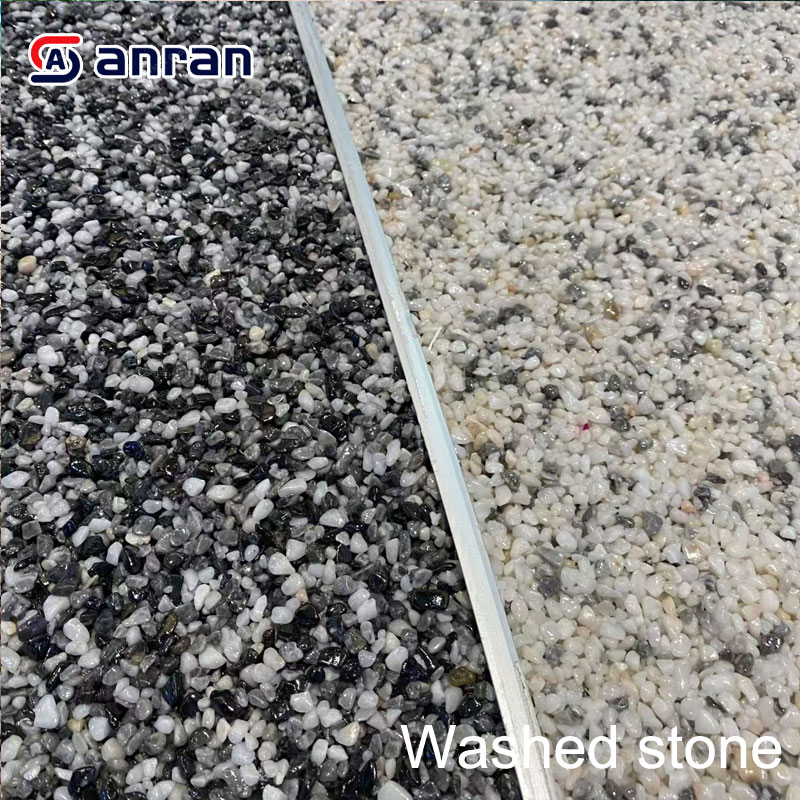
Washed stone refers to stone materials that have been processed through hydraulic washing, screening, and other processes. Its main raw materials include limestone, granite, quartz, etc. During the production process, they usually need to be crushed, washed, screened, dehydrated, and other treatments to ultimately produce washed stone materials of different particle sizes. The quality of washed stone directly affects the subsequent construction quality and durability.